Essays, guides, and perspectives from our educators and alumni.
Product design is one of the most in-demand skills in the technology sector, and also one of the most misunderstood. What hiring managers actually look for is evidence of design thinking in your process. Can you articulate the problem you were solving? What constraints did you work within? What did you learn from user testing? Your first portfolio project should be a redesign of something you use every day and genuinely find frustrating. Document your research, your early explorations, your rationale for key decisions, and your measured outcomes. Learn Figma deeply. Not just the surface level — understand auto layout, component variants, prototyping constraints, and developer handoff. Develop your product instincts by engaging with product strategy content. Designers who can think in terms of business metrics alongside user experience are significantly more valuable.
29 May 2026 · 1 min read

Typography accounts for over 90 per cent of what users actually read on a screen, yet it is the most under-studied discipline in most design curricula. The fundamental rules of typography are well-established: limit yourself to two typefaces, maintain a clear type scale, ensure sufficient line height for readability, and never set body text smaller than 14px on screen. But the rules worth breaking are the ones that limit expression. Mixing a high-contrast serif with a geometric sans-serif can create the kind of visual tension that makes a layout memorable. The concept of typographic hierarchy goes deeper than font size. Weight, colour, spacing, and case all contribute to the visual weight of a text element. Optical alignment is the difference between design that looks right in a grid versus design that looks right to human eyes. Numbers in a table should be right-aligned.
18 May 2026 · 1 min read
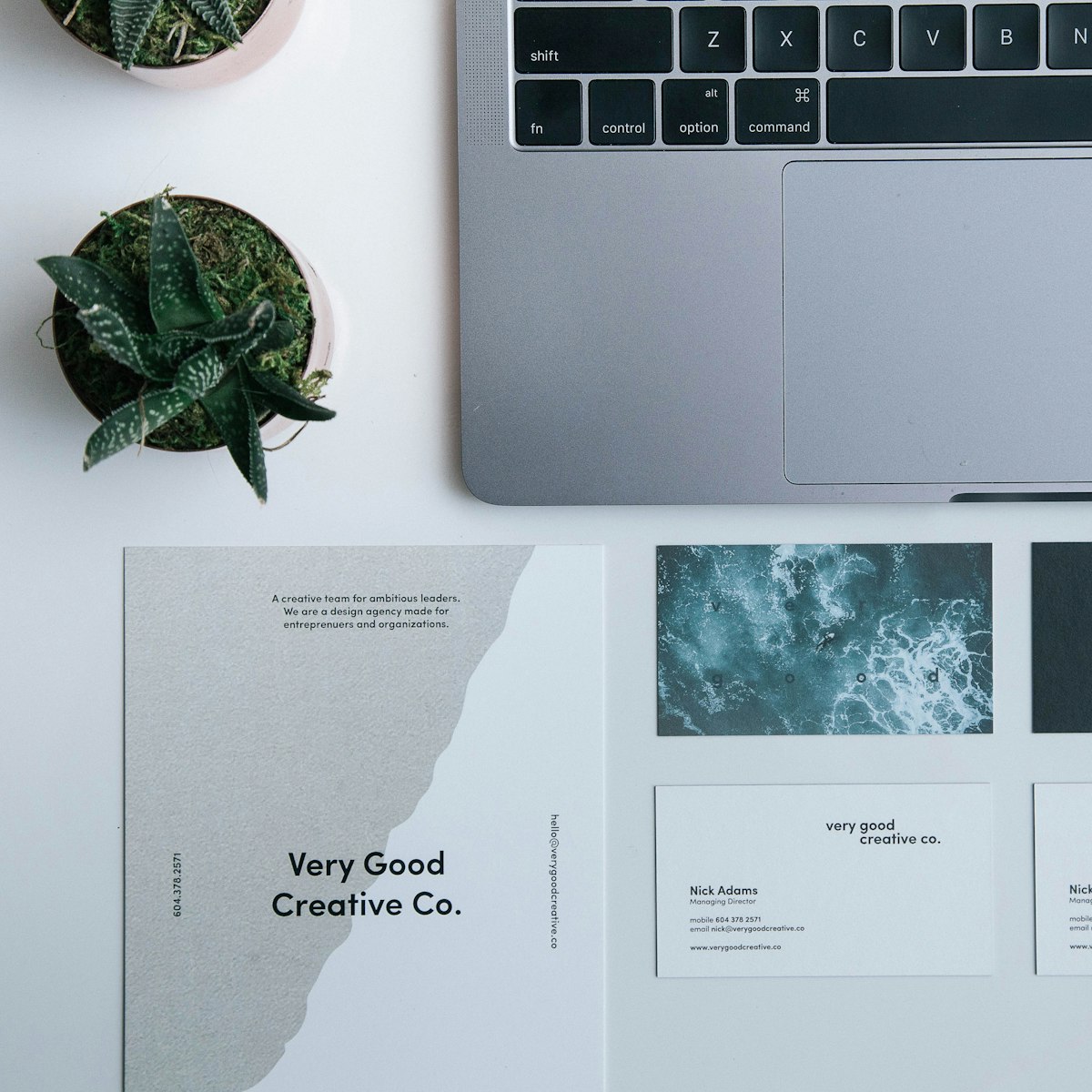
Everyone says they do user research. Very few teams actually do. The most common form of "user research" in Indian startups is a founder interviewing their friends and family. These sessions confirm existing beliefs rather than challenge them. Start with a clear research question, not a feature hypothesis. "Do users want a dark mode?" is a feature question. "How do users manage eye strain during long work sessions?" is a research question. Qualitative research helps you understand the why behind behaviour. Quantitative research helps you understand the what and how often. Neither is sufficient alone. Recruiting the right participants is the hardest part of research. Five well-recruited participants who match your target profile will give you more signal than fifty who do not. Share your research broadly. Research that sits in a Notion doc nobody reads changes nothing. Present your findings as stories — personas, journey maps, and short video clips.
5 May 2026 · 1 min read

A design system is not a component library. It is a shared language between designers and engineers — a living document that grows with your product. The most common mistake teams make when building a design system is starting with components. Start instead with design tokens: the smallest named values that define your visual language — colours, typography scales, spacing, radius, and shadow. Once tokens are established, build your component architecture bottom-up. Atoms compose into molecules, which compose into organisms. This atomic approach ensures that every component traces back to your token system. Documentation is what separates a personal project from a scalable system. Each component should document its intent, usage guidelines, accessibility requirements, and code implementation. Version control for design systems deserves as much attention as code versioning. Treat breaking changes with the same gravity as a semver major bump. The measure of a good design system is not the number of components it has — it is how quickly a new designer can produce production-quality work without asking anyone for help.
22 Apr 2026 · 1 min read

Design thinking is more than a buzzword — it is a structured problem-solving approach that puts people at the centre of every decision. At Designers Academy, we believe mastering design thinking is the first step to becoming a world-class designer. The five stages of design thinking — Empathise, Define, Ideate, Prototype, and Test — give you a repeatable framework for tackling any challenge. In the Empathise stage, you immerse yourself in the world of your users. This means conducting contextual interviews, shadowing users in their environment, and setting aside your personal biases. The Define stage transforms your research into a clear problem statement. A well-crafted "How might we..." question focuses your team's energy and prevents scope creep. Ideation is where design thinking truly diverges from traditional approaches. By deliberately separating idea generation from evaluation, teams produce a wider range of solutions. Prototyping does not have to be polished — a paper sketch or a 30-minute Figma wireframe can test a core assumption just as effectively as a production build. Testing closes the loop. Watching real users interact with your prototype reveals gaps in your logic that no amount of internal review would surface.
10 Apr 2026 · 1 min read