Predict Next Year's Headline is an ideation and foresight technique that asks participants to write a specific, dateline future news headline — set one year from now — that describes a significant development in the design space being explored. Unlike the 'Headlines from the Future' method that focuses on the product itself, this technique looks outward at the context: what technology shifts, regulatory changes, cultural movements, or competitive developments would most significantly reshape the design problem? Writing specific headlines forces participants to make concrete the vague future scenarios they usually hold as background assumptions.
What It Is
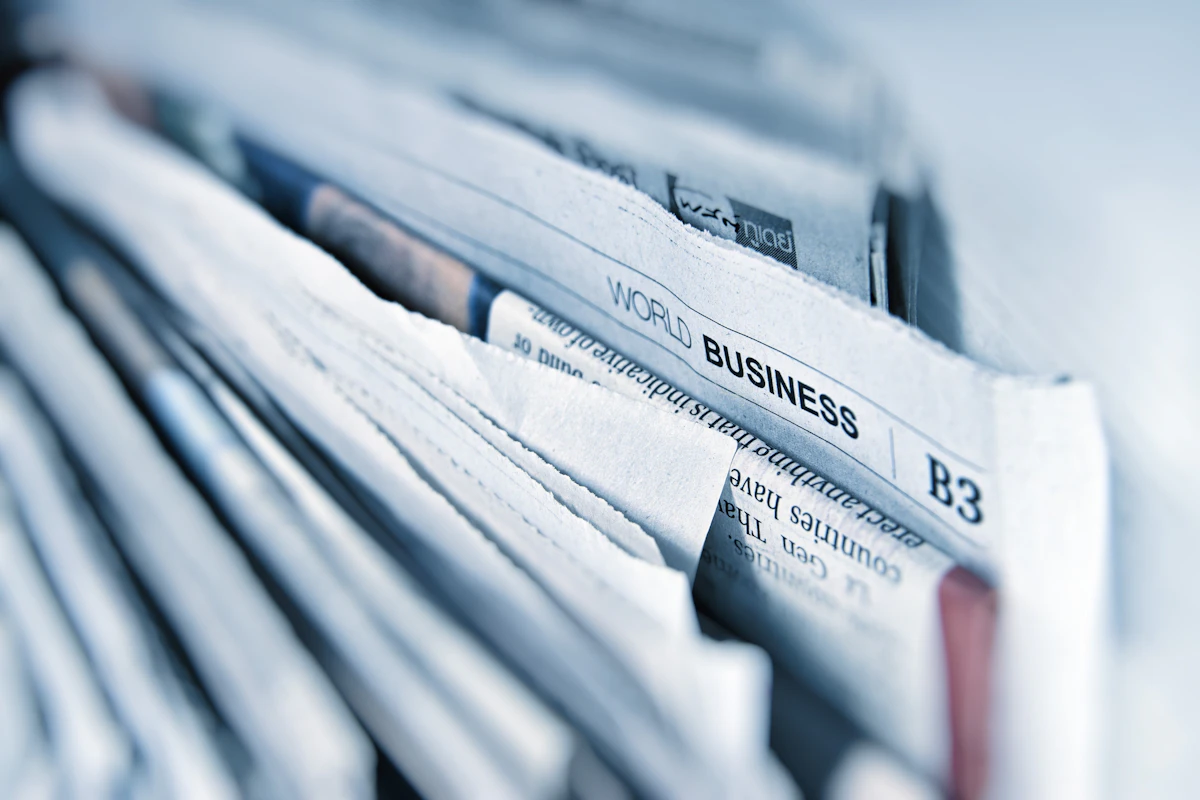
Each participant writes two to four newspaper headlines set in the near future, along with a one-sentence standfirst. The headlines describe external developments — not features of the product you are designing — that would change what users need, what is technically possible, or what the competitive landscape looks like. The specificity of the headline format (publication name, date, bold factual claim, standfirst) forces participants to commit to a concrete vision of the future rather than vague directional statements.
How to Run It
- Distribute index cards and markers to each participant.
- Ask participants to write two to four headlines set twelve months from now that would significantly affect the design challenge.
- Each headline should include a publication name, a bold factual headline, and a one-sentence standfirst.
- Post all headlines on a shared wall grouped by theme: technology, society, regulation, competition.
- Facilitate a group discussion: which headline would most change what you design? Which is most likely? Which would be most threatening?
- Use the most significant headline themes as inputs for risk assessment and design strategy.
When to Use It
Predict Next Year's Headline is most effective during strategic design workshops where the team needs to stress-test their current direction against plausible future scenarios, during product roadmap planning when the design must anticipate evolving user needs and market conditions, and at the start of innovation projects where the goal is to design for an emerging opportunity rather than an existing market.
Tips for Success
- Insist on specificity: 'AI transforms healthcare' is not a headline, 'NHS rolls out mandatory AI-assisted diagnosis to all GP surgeries' is.
- Include headlines from diverse domain perspectives: technology media, general news, specialist trade press, and advocacy publications all cover different dimensions of the same future.
- Focus post-exercise discussion on implications for design choices: 'If this headline came true, what would we need to do differently?'
- Revisit the headlines six months later and assess which turned out to be prescient: tracking prediction accuracy builds the team's foresight capability over time.